
Appointment

Sentinel Lymph Node Biopsy (SLNB)

Sentinel Lymph Node Biopsy (SLNB) is an advanced minimally invasive procedure used to determine whether breast cancer has spread to nearby lymph nodes, enabling accurate staging, personalized treatment planning, and faster recovery with fewer complications.

Sentinel Lymph Node Biopsy (SLNB)

Advanced Sentinel Lymph Node Biopsy (SLNB)

Sentinel Lymph Node Biopsy (SLNB) is a minimally invasive surgical procedure used to determine whether breast cancer has spread to the nearby lymph nodes. It is considered the standard of care for many patients with early-stage breast cancer, providing accurate cancer staging while avoiding unnecessary removal of multiple lymph nodes.

At Dr. Geeta Kadayaprath's Breast Clinic, SLNB is performed using advanced surgical techniques and precise mapping technology to identify the sentinel lymph nodes with high accuracy. This approach helps reduce surgical complications, preserve normal arm function, minimize the risk of lymphedema, and promote a faster, more comfortable recovery.

The sentinel lymph node is the first lymph node (or group of nodes) to which cancer cells are most likely to spread from the primary breast tumor. By carefully examining these nodes, surgeons can accurately determine whether the cancer has spread beyond the breast. If the sentinel lymph nodes are free of cancer, additional lymph node removal is often unnecessary, allowing patients to benefit from less invasive surgery with excellent treatment outcomes.

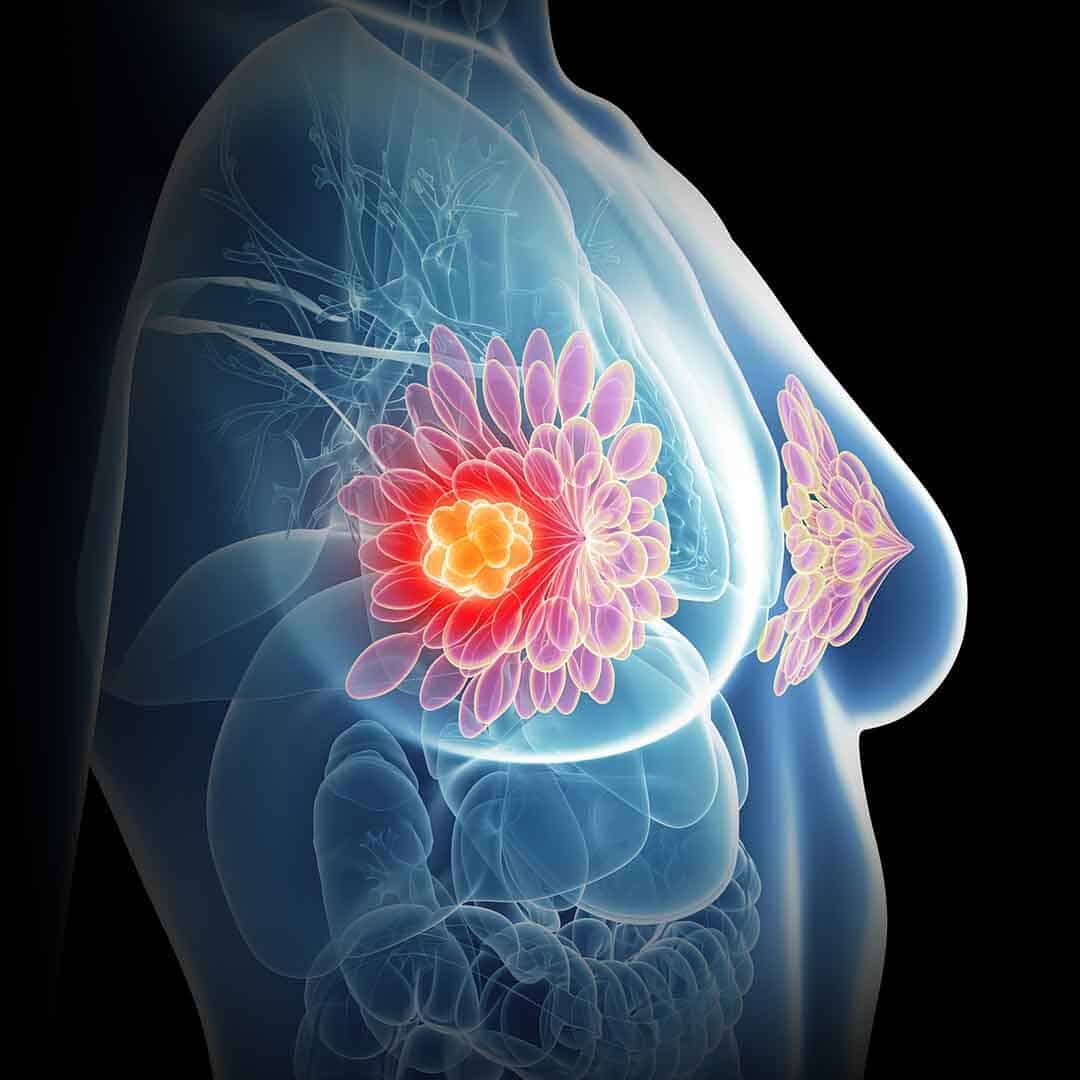
Why is Sentinel Lymph Node Biopsy (SLNB) Performed?

  • Determine whether breast cancer has spread to nearby lymph nodes
  • Accurately stage breast cancer for appropriate treatment planning
  • Guide further treatment decisions, including surgery and adjuvant therapy
  • Avoid unnecessary removal of multiple lymph nodes when cancer has not spread
  • Reduce the risk of post-operative complications such as lymphedema
  • Preserve normal arm and shoulder function with minimally invasive surgery

Who is a Candidate for Sentinel Lymph Node Biopsy (SLNB)?

  • Patients with early-stage breast cancer
  • Patients with clinically negative axillary lymph nodes
  • Patients with Ductal Carcinoma In Situ (DCIS) requiring mastectomy
  • Selected patients undergoing treatment after neoadjuvant chemotherapy
  • Patients undergoing breast-conserving surgery (lumpectomy)
  • Eligibility is confirmed after a comprehensive clinical evaluation and imaging assessment

How is the Procedure Performed?

Step 01

Mapping the Sentinel Node

A special blue dye and/or radioactive tracer is injected near the breast tumor or nipple area to identify the first lymph node(s) that drain the breast.

Step 02

Locating the Sentinel Node

Using specialized detection equipment, the surgeon carefully identifies the sentinel lymph node with precision before removing it.

Step 03

Node Removal

One or a few sentinel lymph nodes are removed through a small incision, making the procedure minimally invasive while preserving healthy tissue.

Step 04

Laboratory Examination

The removed lymph node(s) are examined by an expert pathologist to determine whether cancer cells are present and to guide further treatment decisions.

Benefits of Sentinel Lymph Node Biopsy (SLNB)

  • Minimally invasive surgical procedure
  • Smaller surgical incision with minimal scarring
  • Less pain and discomfort after surgery
  • Lower risk of developing lymphedema
  • Reduced arm numbness and better shoulder function
  • Faster recovery and quicker return to daily activities
  • Shorter hospital stay and quicker healing
  • Accurate staging of breast cancer for appropriate treatment planning
  • Improved long-term quality of life

Frequently Asked Questions

Find answers to common questions about Sentinel Lymph Node Biopsy (SLNB), the procedure, recovery, and treatment decisions.

No. The procedure is performed under anesthesia, so you will not feel pain during surgery. Mild discomfort or soreness afterward is usually temporary and can be managed with medication.

In most cases, only one to three sentinel lymph nodes are removed for pathological examination, making the procedure much less invasive than complete lymph node dissection.

SLNB significantly reduces the risk of developing lymphedema compared with complete axillary lymph node dissection. However, while the risk is much lower, it cannot be eliminated entirely.

If cancer cells are found in the sentinel lymph nodes, your breast cancer care team will determine whether additional lymph node surgery, radiation therapy, or other treatments are necessary based on your individual case.

Book Appointment